• Guide
Before buying land in Kenya from abroad, check these 5 things
Kabla ya kutuma pesa — thibitisha shamba, mmiliki, na taratibu
Buying from abroad is possible — but only when you can verify the land, the seller, and the process before you pay.
1. Confirm the land exists and matches the offer
Ask for location details you can independently verify: county, approximate GPS coordinates, access roads, and recent site photos or drone footage. A legitimate project should welcome scrutiny, not avoid it.
2. Understand tenure — freehold vs leasehold
Freehold and leasehold carry different rights and obligations. Confirm the tenure type in writing, how long a lease runs (if applicable), and whether renewals or approvals are required.
3. Verify seller identity and ownership
The person or company collecting money should match the owner on the title or an authorised representative with documented authority. Be cautious when payment requests come from third parties with no clear link to the property.
4. Demand structured payment records
Avoid deals that rely only on WhatsApp screenshots and verbal balances. You should receive receipts, clear allocation records, and a running balance you can download or review at any time.
5. Review the project structure, not just the plot price
Ask how quorum works, what the commitment amount represents, what happens if quorum is not reached, and how title processing is handled after payment. Transparency on process is as important as price per acre.
This guide is educational content only and does not constitute legal advice. Always review documents with a qualified Kenyan property advocate.
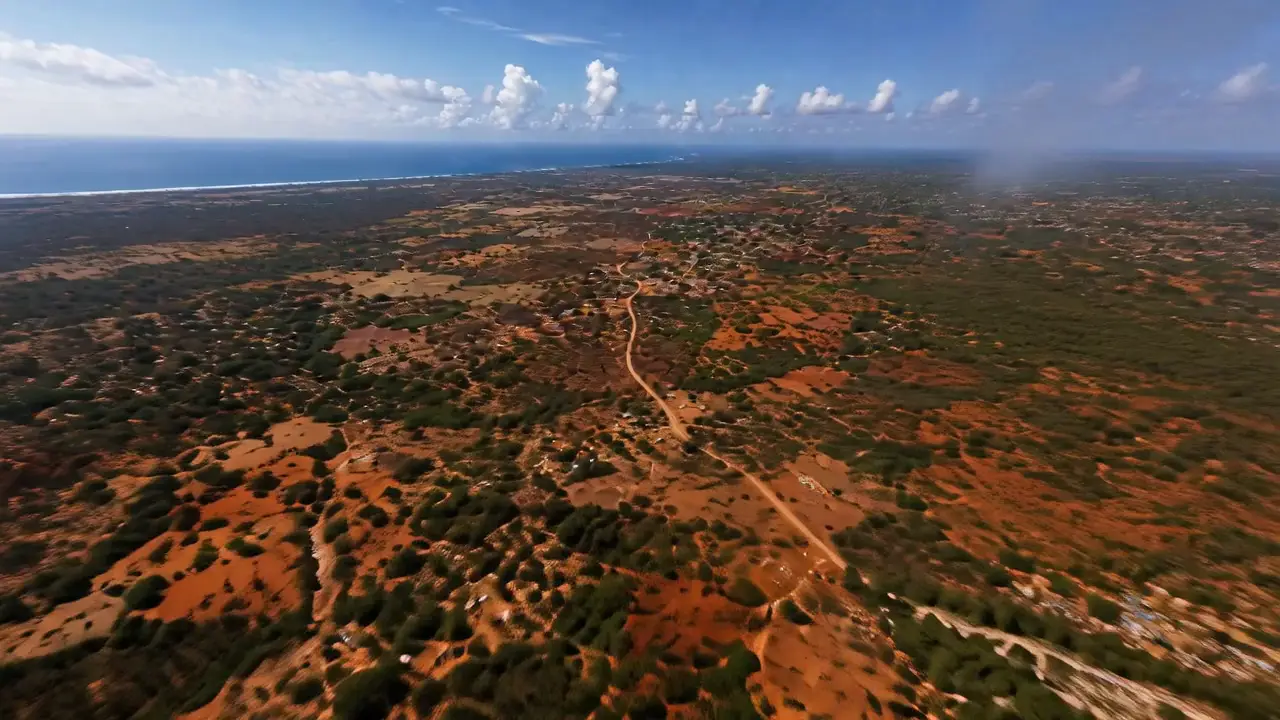
• Kilifi Project 001
1 acre. 625 AED a month. One year.
Leave your name. We'll tell you when this Kilifi acre is ready to reserve.
• Join the waitlist






• Shamba Diaspora Project 001
Kilifi. 625 AED a month, for a year.
Freehold. Title search on the project page — si pin ya WhatsApp.